

Independent eval research. Open methodology, published datasets, and the tools to run your own studies.
Original, open-source studies
Model comparisons, agent setups, cost, and modalities, measured on real tasks. Read the methodology and results, or rerun a study on your own data.
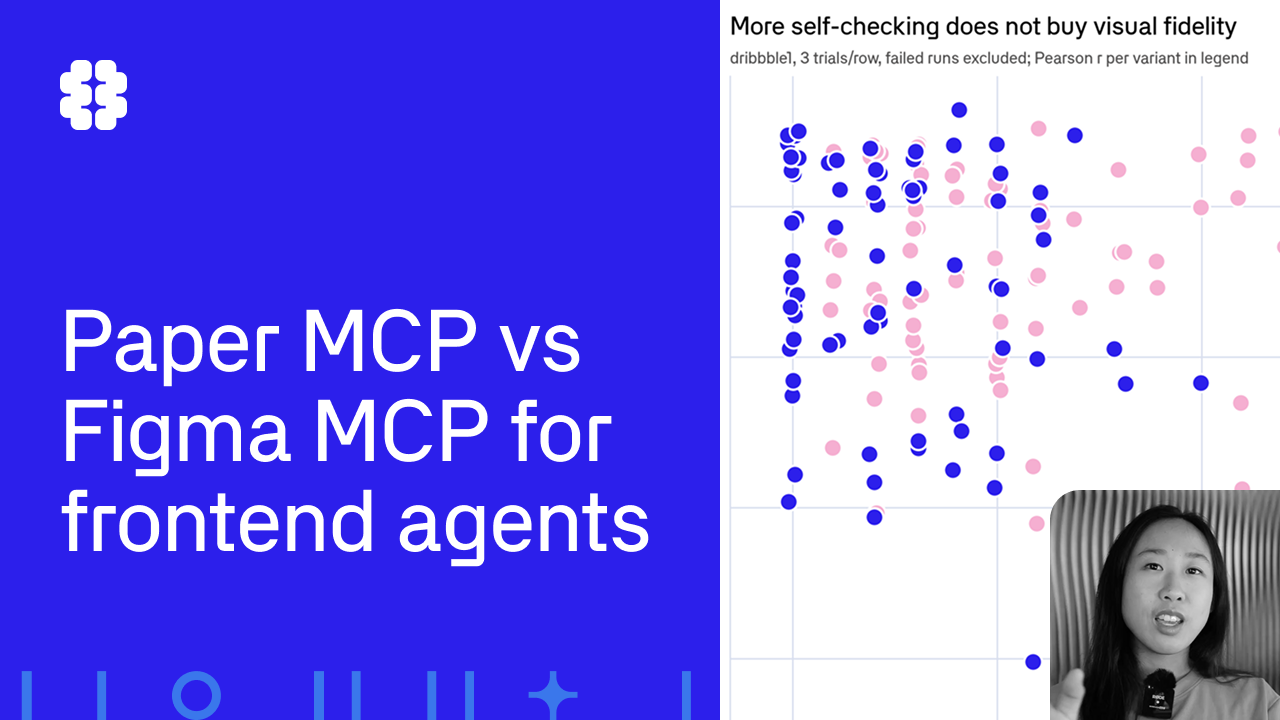
Codex ran 45 transactional email tasks twice per MCP server. Seven deterministic scorers checked acceptance, content, recipients, and verification.
240 emails per providerhigher is better
240 emails per providerhigher is better
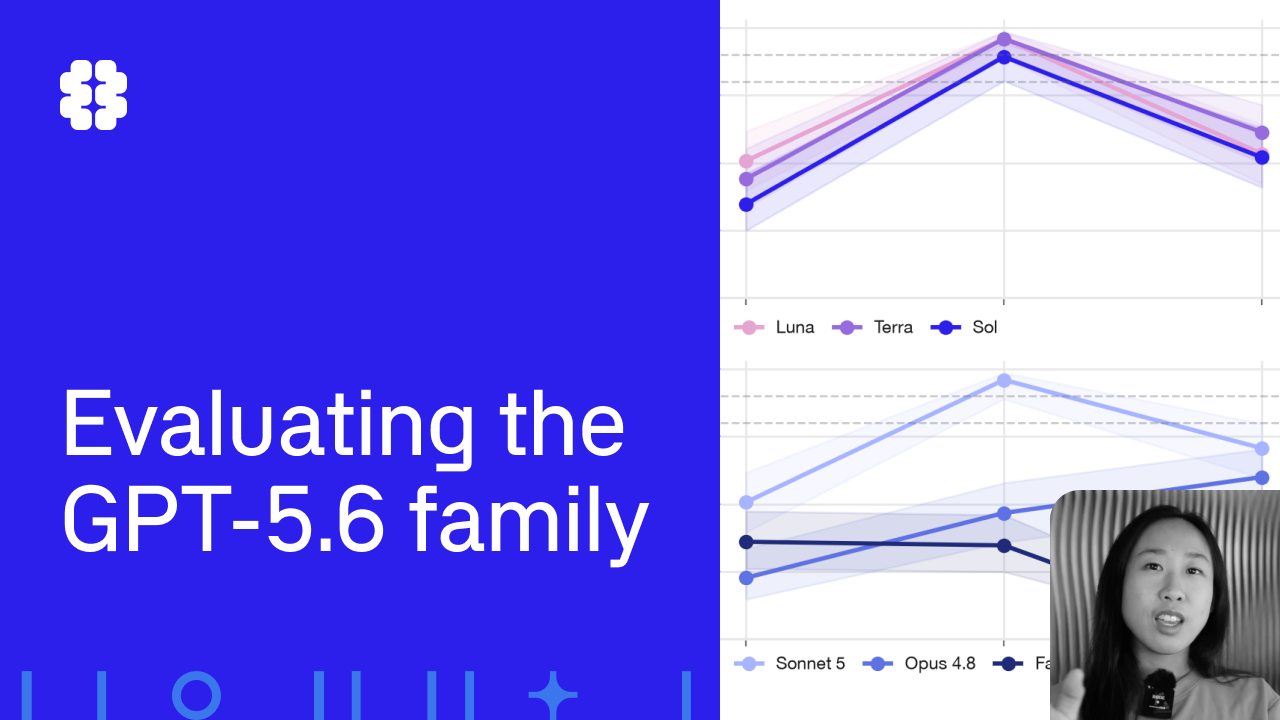
We tested GPT-6.1 Sol on 175 MathTutorBench cases. It improved most at giving students a useful next step without revealing the answer.
125 paired cases · 0.6 points behind GPT-6 Astra
50 paired cases · useful next steps without giving away the answer
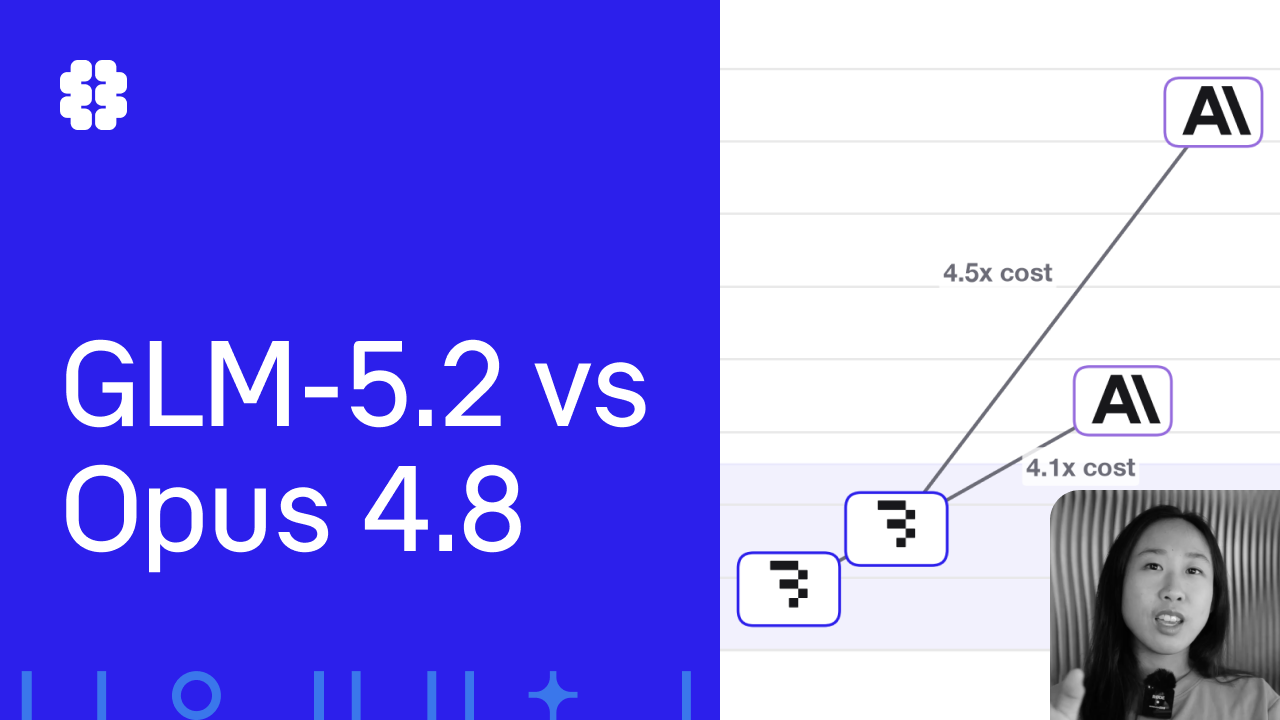
Models answered 175 MathTutorBench cases covering mathematical problem solving and tutoring. Deterministic scorers checked correctness, and GLM 5.3 Flash judged writing quality.
125 objectively scored caseshigher is better
GLM 5.3 judgehigher is better
Run evals like us
Each skill packages best practices from leading AI teams and researchers into a plain SKILL.md file your coding agent can read. Use them to get started running evals on your data.


Point your agent at a skill
Ask it to do what the skill describes, like validating a scorer against human labels or finding hidden failure modes.
- 1.Name the reference tier before computing anything.
- 2.Verify alignment: scorer outputs and reference labels must line up at the item and criterion level.
- 3.Report agreement (κ or α) with uncertainty, not raw accuracy.
- 4.Lead with the most decision-relevant false acceptance before any aggregate, and enumerate the dangerous cells case by case.
- 5.Break errors down by class and severity.
- 6.Test sensitivity and shortcuts: inject known regressions and improvements and confirm the scorer moves; probe whether length, confidence, or polish raise the score independent of quality; probe whether text addressed to the judge moves it; slice agreement by subgroup.